Thoughtful Innovation Matters at Maryland’s Higher Education Pantries

“I’m here at Retriever Essentials because I have a lot of financial obligations. Coming here saves money on groceries, so I can handle things. And they have things like beans, tomatoes and even this silken tofu – it’s so beautiful here,” shared sophomore Jennifer O.
Jennifer is one of thousands of students at the University of Maryland, Baltimore County (UMBC) who accessed more than 85,000 meals and other necessities at Retriever Essentials, UMBC’s “Campus Pantry.” Michael Fakus, who has been a co-leader of the pantry since last summer, has been helping other students access food since he entered school in the fall of 2020.
“My days are so busy, and my money so tight, I don’t think I would be able to eat right without being able to get things like rice, and free cafeteria meals from Essentials.”
“COVID forced me and other students to pick up food from a ‘modified pantry,’ which was actually the trunks of faculty members’ cars,” Michael recalls.
But since the pantry’s return to a physical space inside The Commons (UMBC’s community center), they’ve partnered with MFB to bring in food that students can count on and actually want. “It may seem like a little thing, but when our Indian students see that we have Maggi noodles in stock, they are just so happy,” Michael shared.
“My days are so busy, and my money so tight, I don’t think I would be able to eat right without being able to get things like rice, and free cafeteria meals from Essentials,” one senior said.
Based on suggestions from students, Retriever Essentials offers clothing, toiletries, and a “shared meal swipe” system which allows students to share excess meals with other students.
And that’s not all. Medhi L., a computer information student and volunteer at Retriever Essentials, highlighted some potential future additions to the pantry, including adding additional food donation bins in high-traffic areas like the library, partnering with a student group to place a financial donation section on their website, and even distributing “The Black & Gold Kitchen” cookbook full of recipes that reflect the diverse nature of UMBC’s student body, so students can maximize what they choose at the food pantry.
“Retrievers Essentials is dedicated to alleviating hunger on campus. Food Insecurity is a crisis that knows no boundaries…when students arrive at any university for the very first time, their immediate concern should be their classes, not if they have enough to eat. As organizers committed to making a difference, we recognize that food insecurity isn’t just about hunger; it’s about equity, justice, and the fundamental right to nourishment, which is why we exist in solidarity and reciprocity with UMBC members experiencing food insecurity.”
UMBC’s deliberate and thoughtful approach to food distribution is really making a difference in Baltimore County, but they are not the only college-based pantry doing innovative things to help their students and faculty focus on education.
In fact, UMBC is one of 17 Higher Education pantries statewide helping the approximately 143,000 students who face food insecurity in Maryland.
In FY25, students accessed more than 171,000 meals at those schools.
Can a Community Garden Counter Transportation Challenges?
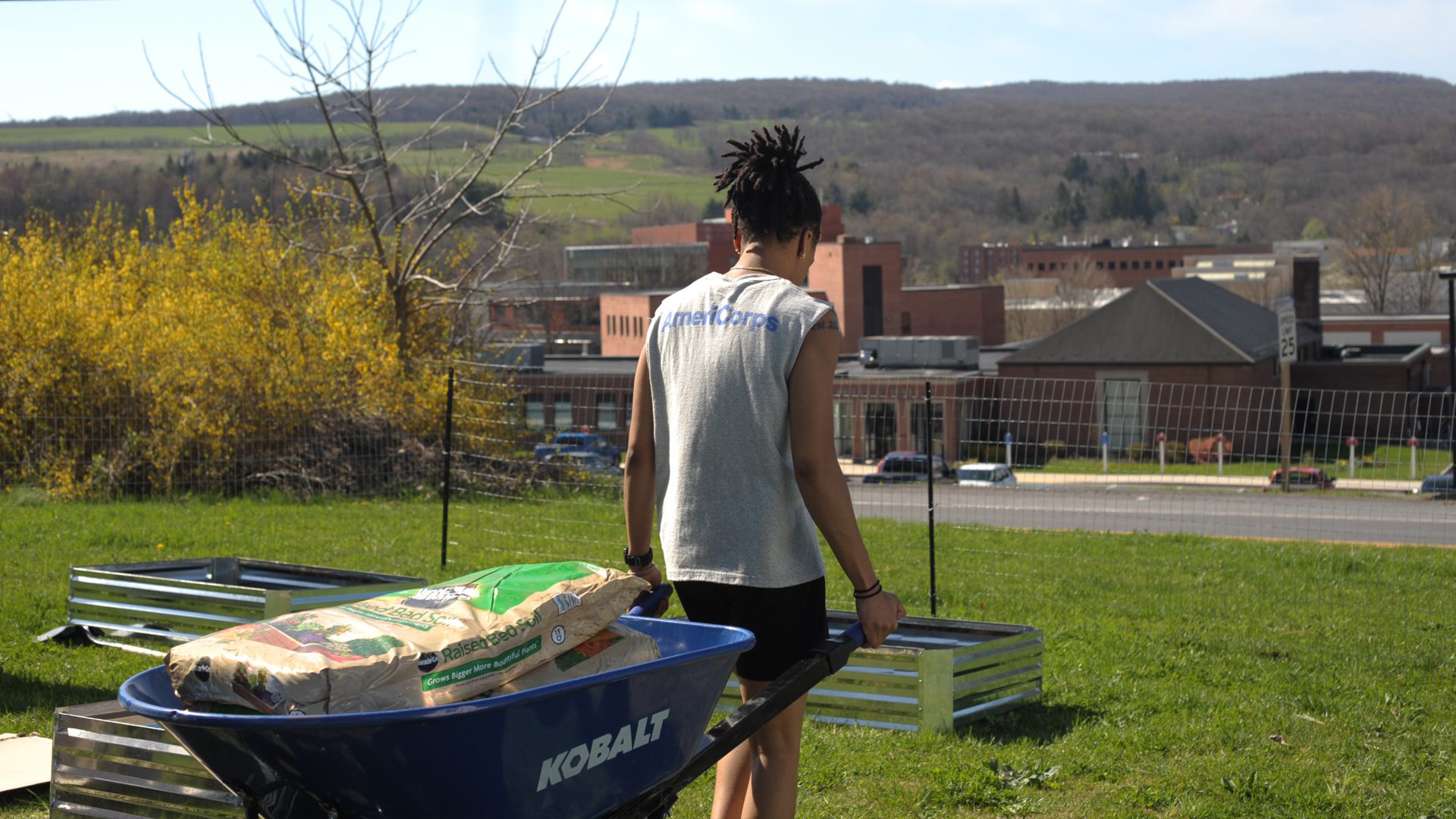
In Western Maryland, where geography and a lack of living wage jobs are the most common root causes of food insecurity, Frostburg State University is addressing the growing problem of hunger on campus by literally growing food in their community garden.
“We’re way up here in the mountains and our students don’t often have the opportunity to grow their own food, whether it’s because they’re at a residence hall or an off-campus location that does not permit it, so we can offer them space here,” said Ashley Daniels, Associate Director of Student Life, Frostburg State University.

Daniels, who runs the school’s PAWS Pantry, shared a secondary reason for building the garden.
“Currently, PAWS is not set up to keep perishable items in the pantry, so getting stuff from farmers markets, or other fresh donations doesn’t really benefit students because we can’t store them until students are able to pick them up,” she continued.
And when asked where the initial idea came from, Ashley shared that it came organically from the kindness from a longtime Frostburg employee – a groundkeeper who would plant vegetables at various locations around campus.
“One day we were walking up to one of the academic buildings, when someone noticed one of his tomato plants, and said ‘what if we did a whole garden like this – that would be a very cool concept,’”
Daniels also shared that a partnership with AmeriCorps was key to getting the garden, and to the pantry’s overall success.
“With higher ed in general seeing widespread budget cuts, having someone help with the garden, so that we can focus resources on the main pantry ensures that we can be open for regular hours for students.”
But due to recent changes in how organizations like AmeriCorps are funded, her team no longer has access to that vital resource, presenting a new set of challenges to the PAWS Pantry’s ability to sustain both resources.
“We’re in a little bit of trial-and-error mode at the moment—we have some sustainability students who have been interested in helping out at the pantry a little bit—and we do still have students managing some plots themselves, but we really expected to have that funding help this year,” said Ashley.
Service on Students’ Schedules: Frederick Community College’s Food Lockers
A little over 100 miles east of Frostburg sits Frederick County Community College (FCCC), where an innovative program called “Cougar Pods” is empowering students by letting them access food when it works for them.
“We typically see anywhere from 100 to 150 students per day in our Cougar Mart and then we currently have 18 slots for our food lockers,” said Sergio Washington, Director of Student Wellness and Support, FCCC.
“The Cougar Pods are filled with some standard foods, like shelf stable breakfast and lunch items, and are more accessible than our pantry, Cougar Mart, because they can get into the pods anytime with a code that we send,” he continued.
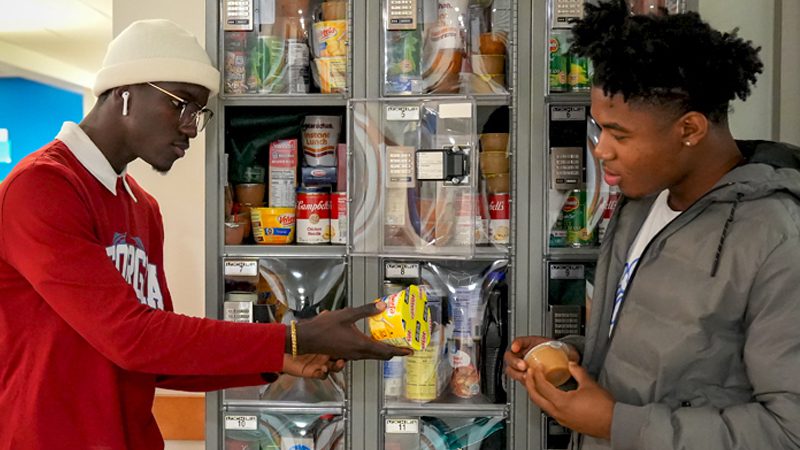
Students are permitted to take whatever foods interest them, and pantry staff constantly monitors the pods to ensure the next student in need has the same access, which Sergio believes helps cut down on waste.
Sergio shared that currently, about ¼ of the food they distribute is through the locker system, but he sees room for significant growth.
“Currently, we don’t have refrigerated lockers, but we are in the process of getting them, so we’ll be able to add fresh fruits & vegetables, meats, dairy products, and even frozen items.”
The Maryland Food Bank is dedicated and committed to ensuring every neighbor in need has access to nutritious food and the ability to find a pathway out of hunger. Help us realize a Maryland where every college student has access to the resources they need to thrive. 

About The Author
Ben Gross
For more than 30 years, Ben has been helping organizations raise awareness and inspire action by creating compelling narratives. And since 2018, Ben has been the Maryland Food Bank's Staff Writer, elevating the voices of food-insecure neighbors to further the Maryland Food Bank's mission of feeding people, strengthening communities, and ending hunger for more Marylanders.
We Need Your Help
Programs, campaigns, and educational outreach at the Maryland Food Bank has always relied on the philanthropic support of charitable individuals like you.
Much like our food distribution efforts, outreach activities at the Maryland Food Bank rely on generous donations of money and time.
We hope you’ll consider a contribution.